Packaging Is the Last Brand Touchpoint Your Customer Can Actually Touch — Don't Let It Fail
Last updated: 9 May 2026
735 Views
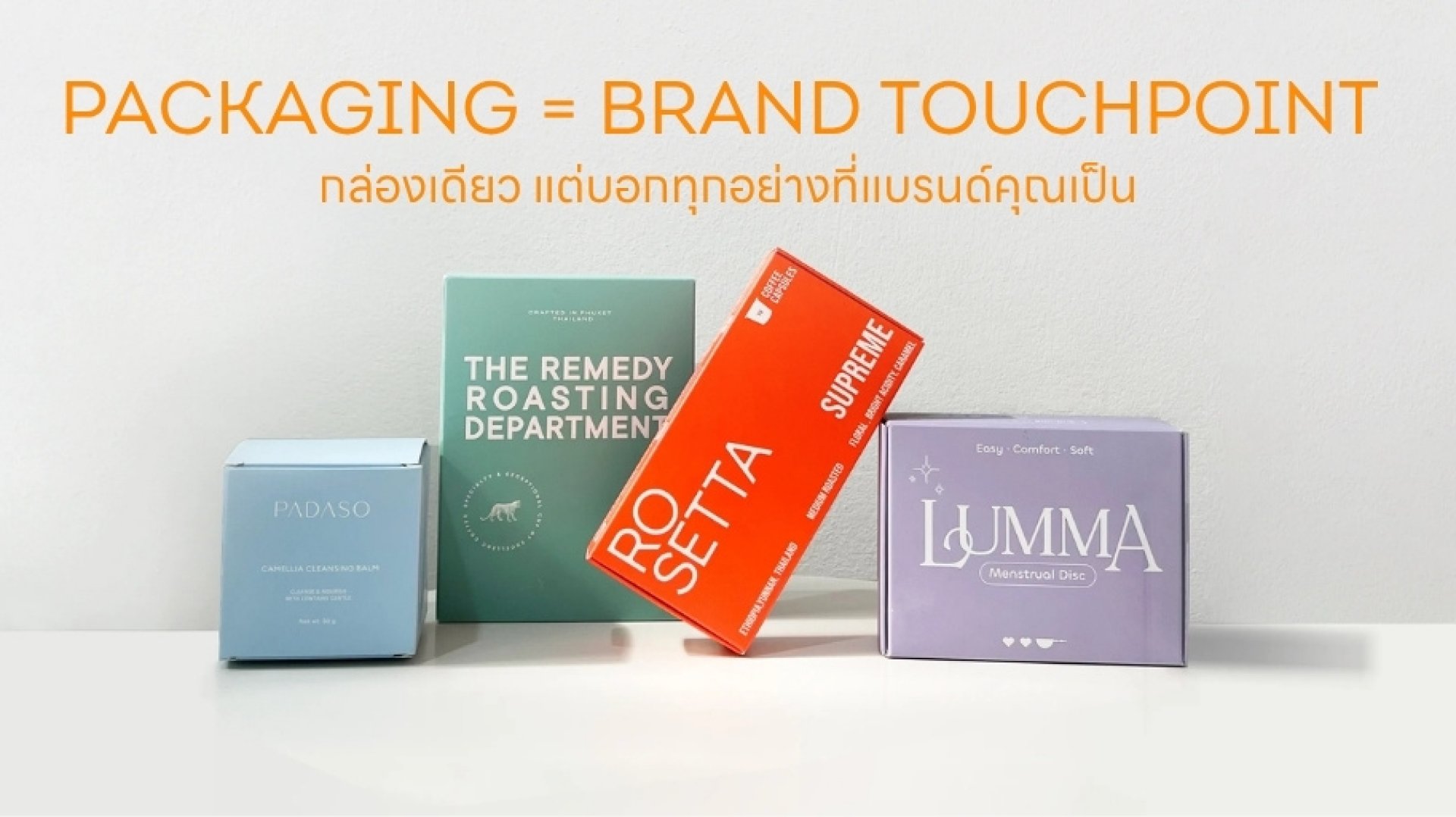
Packaging Is the Last Brand Touchpoint Your Customer Can Actually Touch — Don't Let It Fail
---
Your customer sees your brand dozens of times before they decide to buy — ads in their feed, reviews on social media, your storefront. But all of that is experienced through a screen. There is only one moment when they get to **physically touch your brand**. That's when they pick up your product.
In that moment, your packaging represents everything your brand stands for. If it feels right, they feel good about your brand. If it feels ordinary, your brand becomes ordinary in their eyes — instantly.
---
What Is a Brand Touchpoint, and Why Does Packaging Matter Most
A brand touchpoint is every moment a customer comes into contact with your brand — from advertising and your website, to reviews, staff interactions, and the delivery experience. Most marketers pour budget into digital touchpoints because the results are measurable. But physical touchpoints create a different kind of impression entirely.
When something can be held, it creates deeper, longer-lasting memory than anything viewed on a screen. This is why neuromarketing research consistently shows that materials and textures directly influence perceived product value. A box that feels heavy and solid makes customers perceive the contents as higher quality — even when the product inside is identical to one in a lighter box.
Packaging is the rare touchpoint where no algorithm stands between your brand and your customer. It's direct, unfiltered contact.
---
Signs Your Packaging Is Quietly Hurting Your Brand
Before getting into how to elevate your packaging, check whether any of these familiar problems are already at play.
Inconsistent color across materials. If your logo is deep forest green on your website but prints as bright lime green on your box, detail-oriented customers will notice. They may not be able to articulate it, but something will feel "off" about your brand. Color inconsistency quietly erodes trust.
Material quality that contradicts your positioning. A brand positioned as premium but shipping in thin, easily dented boxes sends a conflicting signal. Customers won't say it out loud, but they'll feel it — and they'll remember it when they decide whether to buy again.
Outdated information. An old phone number, a dead QR code, a website that no longer exists. These small details tell customers that no one is paying attention.
Packaging that tells no story. Open the box and feel nothing. No personality, no identity, nothing memorable. If your packaging could belong to any brand, it belongs to none.
---
Why Packaging Is an Investment, Not a Cost
Many businesses treat printing and packaging as a line item to minimize. But viewed through a brand-building lens, it is a silent salesperson working for you every single time the product is picked up.
Think about it this way: if your product sits next to a competitor's on a shelf, and a customer knows neither brand, what determines which one they reach for first? The answer is always packaging.
Beyond the point of sale, great packaging creates an unboxing experience. In an era where customers share everything on Instagram and TikTok, a box worth photographing is earned media you never paid for.
---
The 4 Levels at Which Packaging Works for Your Brand
When packaging is designed with intention, it operates on four levels simultaneously.
Level 1 — Functional. It protects the product, ships safely, and is easy to open. This is the baseline every box must meet.
Level 2 — Visual. It attracts attention on shelf or in a photograph. Color, layout, and typography communicate brand identity within seconds — before a single word is read.
Level 3 — Emotional. When the customer holds it, how does it feel? Substantial? Soft? Exciting? Texture and material create sensations the eye cannot see but the hand immediately understands.
Level 4 — Storytelling. The copy on the packaging — a tagline, an origin story, care instructions — tells the customer who this brand is, what it believes in, and why it does things this way.
Great packaging works across all four levels at once.
---
Where to Start Elevating Your Packaging
You don't need to redesign everything at once. Start with these three areas.
1. Lock in your color standards. Always provide your printer with exact Pantone codes or CMYK values — never just describe the color verbally. A professional print partner will store your standard color profile so that every reprint comes out matching, regardless of batch or timing.
2. Match your material to your positioning. Premium brand? Choose thicker stock (300–400 gsm) and consider soft-touch laminate or an embossed logo. Eco-focused brand? Go with kraft or recycled paper and communicate it clearly. Playful brand? Use bold color and die-cut shapes to stand out. The material you choose speaks before the customer reads a word.
3. Make every touchpoint tell the same story. Your box, sticker, brochure, paper bag, and business card should all look like they come from the same brand. When each piece is ordered from a different supplier without a brand style guide controlling the output, inconsistency is almost guaranteed.
---
Good Packaging Doesn't Always Mean Expensive
A common misconception is that beautiful packaging requires a big budget. While specialty finishing techniques add cost, strong packaging can start with something as straightforward as the right color, typography, and layout — none of which require significant additional spend but can dramatically increase perceived value.
What matters more than price is intentionality. Customers can sense whether a brand cared about the details. And that sense of care is often what brings them back.
---
The Takeaway
Every time a customer picks up your product, that is your brand speaking to them directly — no algorithm, no middleman. Don't let that moment be wasted on a box that says nothing.
If you'd like to review your current packaging or get advice on which materials and techniques suit your brand best, the Box Gallery team is happy to consult at no charge.
---
---
Your customer sees your brand dozens of times before they decide to buy — ads in their feed, reviews on social media, your storefront. But all of that is experienced through a screen. There is only one moment when they get to **physically touch your brand**. That's when they pick up your product.
In that moment, your packaging represents everything your brand stands for. If it feels right, they feel good about your brand. If it feels ordinary, your brand becomes ordinary in their eyes — instantly.
---
What Is a Brand Touchpoint, and Why Does Packaging Matter Most
A brand touchpoint is every moment a customer comes into contact with your brand — from advertising and your website, to reviews, staff interactions, and the delivery experience. Most marketers pour budget into digital touchpoints because the results are measurable. But physical touchpoints create a different kind of impression entirely.
When something can be held, it creates deeper, longer-lasting memory than anything viewed on a screen. This is why neuromarketing research consistently shows that materials and textures directly influence perceived product value. A box that feels heavy and solid makes customers perceive the contents as higher quality — even when the product inside is identical to one in a lighter box.
Packaging is the rare touchpoint where no algorithm stands between your brand and your customer. It's direct, unfiltered contact.
---
Signs Your Packaging Is Quietly Hurting Your Brand
Before getting into how to elevate your packaging, check whether any of these familiar problems are already at play.
Inconsistent color across materials. If your logo is deep forest green on your website but prints as bright lime green on your box, detail-oriented customers will notice. They may not be able to articulate it, but something will feel "off" about your brand. Color inconsistency quietly erodes trust.
Material quality that contradicts your positioning. A brand positioned as premium but shipping in thin, easily dented boxes sends a conflicting signal. Customers won't say it out loud, but they'll feel it — and they'll remember it when they decide whether to buy again.
Outdated information. An old phone number, a dead QR code, a website that no longer exists. These small details tell customers that no one is paying attention.
Packaging that tells no story. Open the box and feel nothing. No personality, no identity, nothing memorable. If your packaging could belong to any brand, it belongs to none.
---
Why Packaging Is an Investment, Not a Cost
Many businesses treat printing and packaging as a line item to minimize. But viewed through a brand-building lens, it is a silent salesperson working for you every single time the product is picked up.
Think about it this way: if your product sits next to a competitor's on a shelf, and a customer knows neither brand, what determines which one they reach for first? The answer is always packaging.
Beyond the point of sale, great packaging creates an unboxing experience. In an era where customers share everything on Instagram and TikTok, a box worth photographing is earned media you never paid for.
---
The 4 Levels at Which Packaging Works for Your Brand
When packaging is designed with intention, it operates on four levels simultaneously.
Level 1 — Functional. It protects the product, ships safely, and is easy to open. This is the baseline every box must meet.
Level 2 — Visual. It attracts attention on shelf or in a photograph. Color, layout, and typography communicate brand identity within seconds — before a single word is read.
Level 3 — Emotional. When the customer holds it, how does it feel? Substantial? Soft? Exciting? Texture and material create sensations the eye cannot see but the hand immediately understands.
Level 4 — Storytelling. The copy on the packaging — a tagline, an origin story, care instructions — tells the customer who this brand is, what it believes in, and why it does things this way.
Great packaging works across all four levels at once.
---
Where to Start Elevating Your Packaging
You don't need to redesign everything at once. Start with these three areas.
1. Lock in your color standards. Always provide your printer with exact Pantone codes or CMYK values — never just describe the color verbally. A professional print partner will store your standard color profile so that every reprint comes out matching, regardless of batch or timing.
2. Match your material to your positioning. Premium brand? Choose thicker stock (300–400 gsm) and consider soft-touch laminate or an embossed logo. Eco-focused brand? Go with kraft or recycled paper and communicate it clearly. Playful brand? Use bold color and die-cut shapes to stand out. The material you choose speaks before the customer reads a word.
3. Make every touchpoint tell the same story. Your box, sticker, brochure, paper bag, and business card should all look like they come from the same brand. When each piece is ordered from a different supplier without a brand style guide controlling the output, inconsistency is almost guaranteed.
---
Good Packaging Doesn't Always Mean Expensive
A common misconception is that beautiful packaging requires a big budget. While specialty finishing techniques add cost, strong packaging can start with something as straightforward as the right color, typography, and layout — none of which require significant additional spend but can dramatically increase perceived value.
What matters more than price is intentionality. Customers can sense whether a brand cared about the details. And that sense of care is often what brings them back.
---
The Takeaway
Every time a customer picks up your product, that is your brand speaking to them directly — no algorithm, no middleman. Don't let that moment be wasted on a box that says nothing.
If you'd like to review your current packaging or get advice on which materials and techniques suit your brand best, the Box Gallery team is happy to consult at no charge.
---


